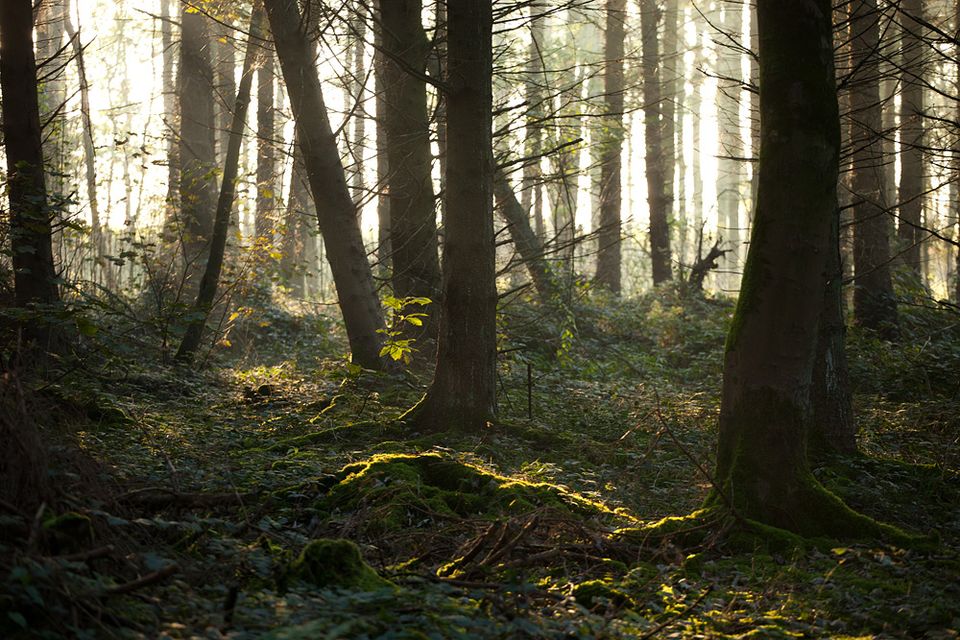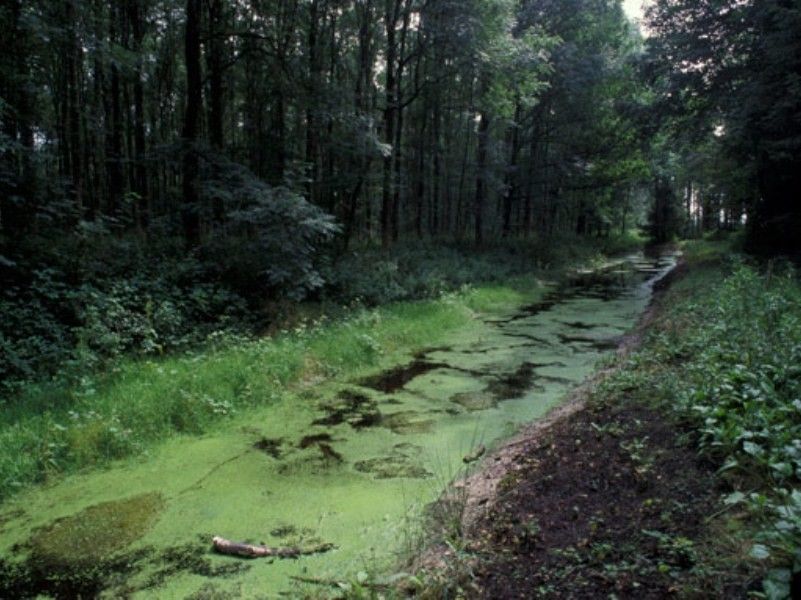
After the reclamation of the Northeast Polder, almost all land was given an agricultural function. The soil of the Schokker forest (ca. 85 ha) consists of clay, boulder clay and peat. This varied soil offered few prospects for arable farming, but all the more opportunities for nature. These opportunities were enhanced by digging ditches in the stiff soil when planting the forest. These trenches provide habitat for plants of damp habitats such as ferns and mosses.
The Schokker forest grows on a soil of peat, boulder clay and clay, with 8...
After the reclamation of the Northeast Polder, almost all land was given an agricultural function. The soil of the Schokker forest (ca. 85 ha) consists of clay, boulder clay and peat. This varied soil offered few prospects for arable farming, but all the more opportunities for nature. These opportunities were enhanced by digging ditches in the stiff soil when planting the forest. These trenches provide habitat for plants of damp habitats such as ferns and mosses.
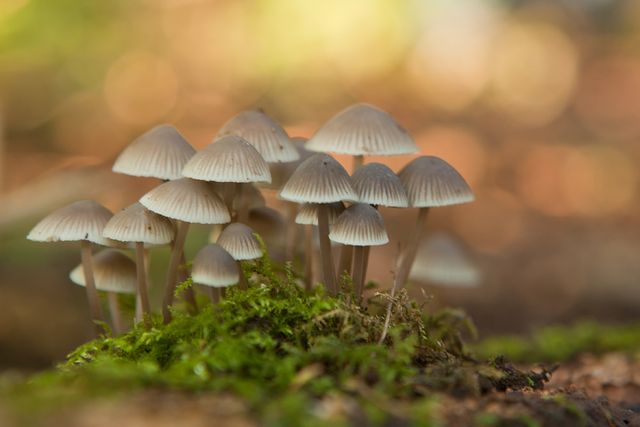
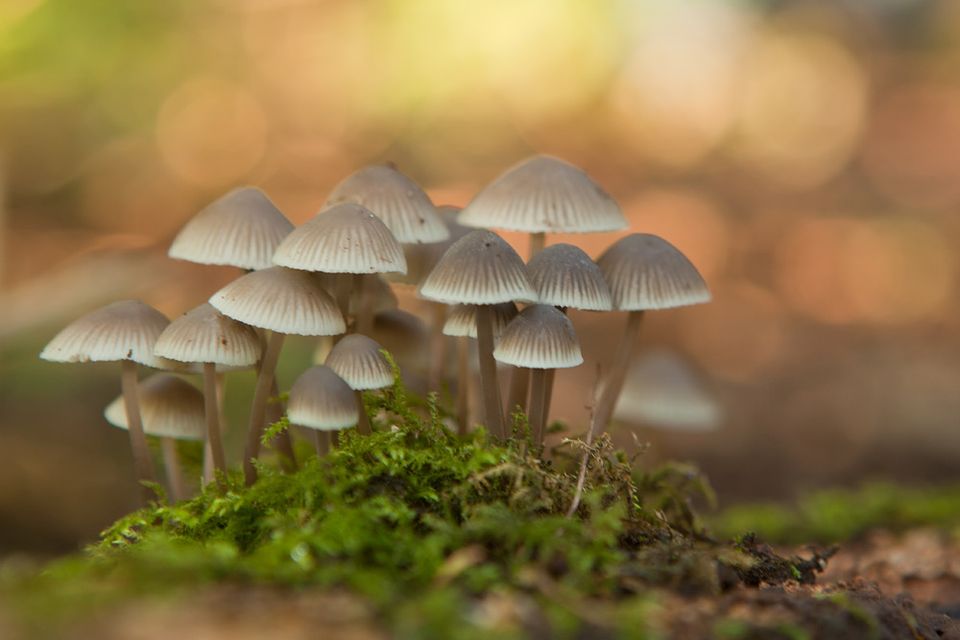
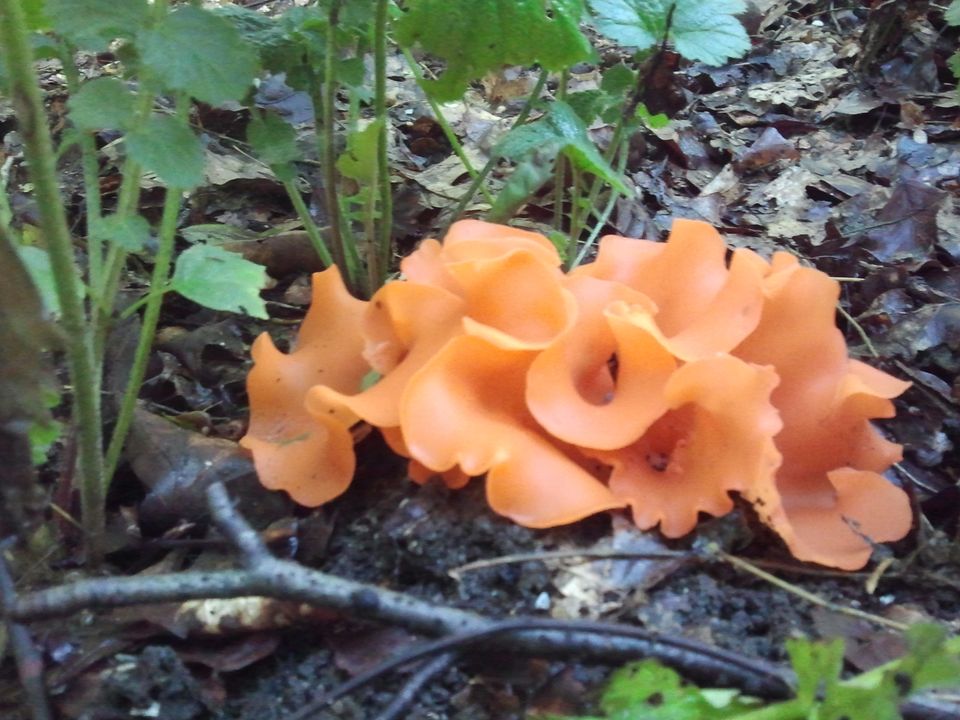
The Schokker forest grows on a soil of peat, boulder clay and clay, covering 85 hectares and is located along the west side of the island of Schokland. The forest is over 50 years old and consists mainly of ash, oak and coniferous trees. Boulder clay and peat cause the forest to grow unevenly and slowly. For ferns, mushrooms and mosses, this actually offers extra opportunities: connoisseurs found more than 350 species of mushrooms, some 30 of which are rare to very rare, in addition to 75 moss species.
The forest is isolated from other forest areas, yet typical forest plants, such as wild honeysuckle, already occur. The forest is home to birds of prey such as goshawk, buzzard, sparrow hawk and long-eared owl, as well as many songbirds and roe deer. Special marten boxes have been hung for the pine marten.