Because the Noordoostpolder was laid out on the drawing board and had to be laid out as efficiently as possible, farms in the Noordoostpolder der were systematically placed in straight lines along dead straight roads, with spacious plots for optimal agricultural production. Such straight lines and the purely mathematical division of land cannot be found anywhere else and makes the Noordoostpolder unique.
Farms were often built of shock concrete, a particularly durable material that was perfect for the area's conditions. You can see an example of such a farm here. Shock concrete offered an efficient way to build quickly and solidly and was also resistant to the wet soil and unpredictable climate.
Hardly anywhere outside the Noordoostpolder der will you find Schokbeton farms, so these too make the Noordoostpolder unique. And whether you like them or not, they largely determine the look of the countryside of the Noordoostpolder. Today, these farms are a heritage of post-war innovation and show how technology and functionality can go hand in hand.
Tip: cycle tour along various farms in the Noordoostpolder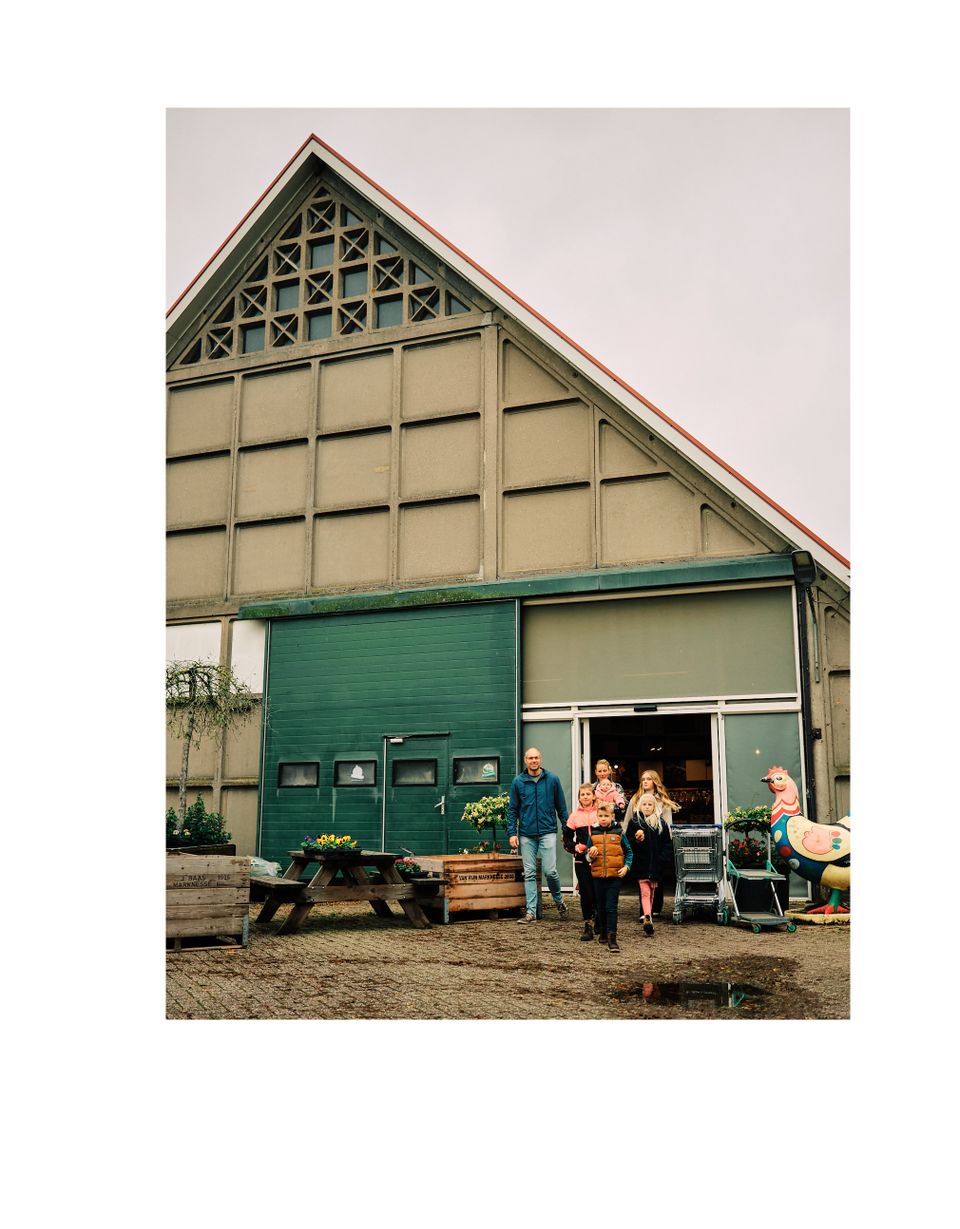
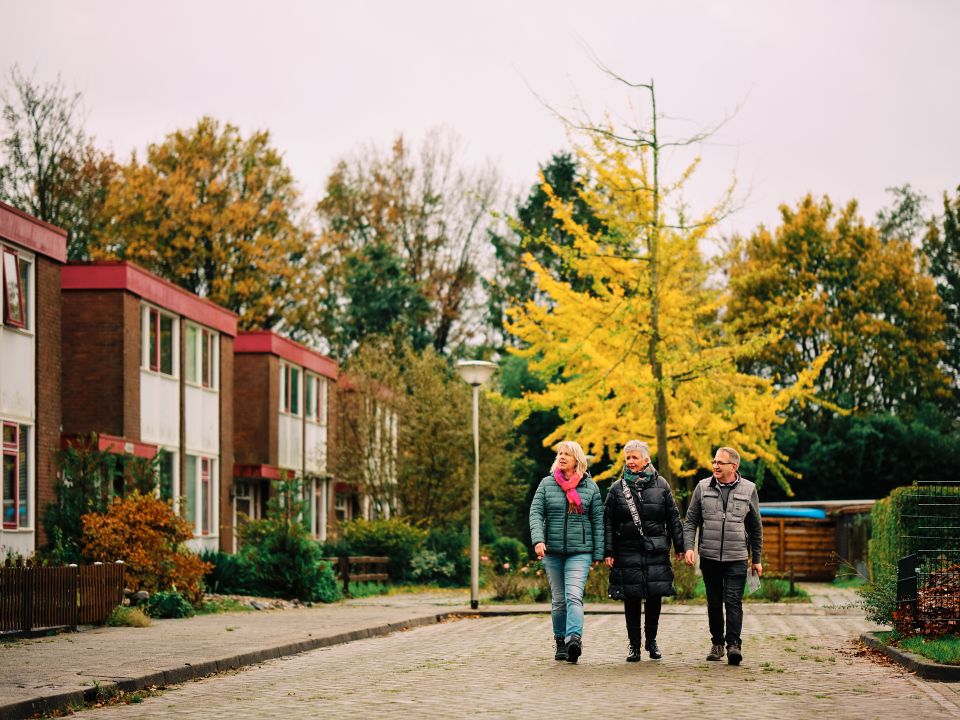
Even more impressive in terms of creativity and innovation is the village of Nagele, which is a paragon of modernist architecture and urban planning. This village was designed in the 1950s by some of the most influential architects and designers of the time, including Gerrit Rietveld and Aldo van Eyck.
Nagele is a unique experiment, built according to the principles of New Building. The village is characterised by its clean lines, open floor plans with lots of greenery and a functional layout. And, last but not least, flat roofs as far as the eye can see. Here, the traditional village structure has been jettisoned in favour of a modern and progressive design that fits perfectly with the ideals of the reconstruction period.
Today, the village functions as a living museum, where visitors can experience how innovative the vision of New Building was in the 1950s. Museum Nagele, which will reopen later this year after a thorough refurbishment, will also take you through the genesis and architectural experimentation that makes the village so unique through an extensive exhibition. Curious about what Nagele's progressive homes look like on the inside? Then take a look in the 1950s-style house Polman.
Discover the special architecture of Nagele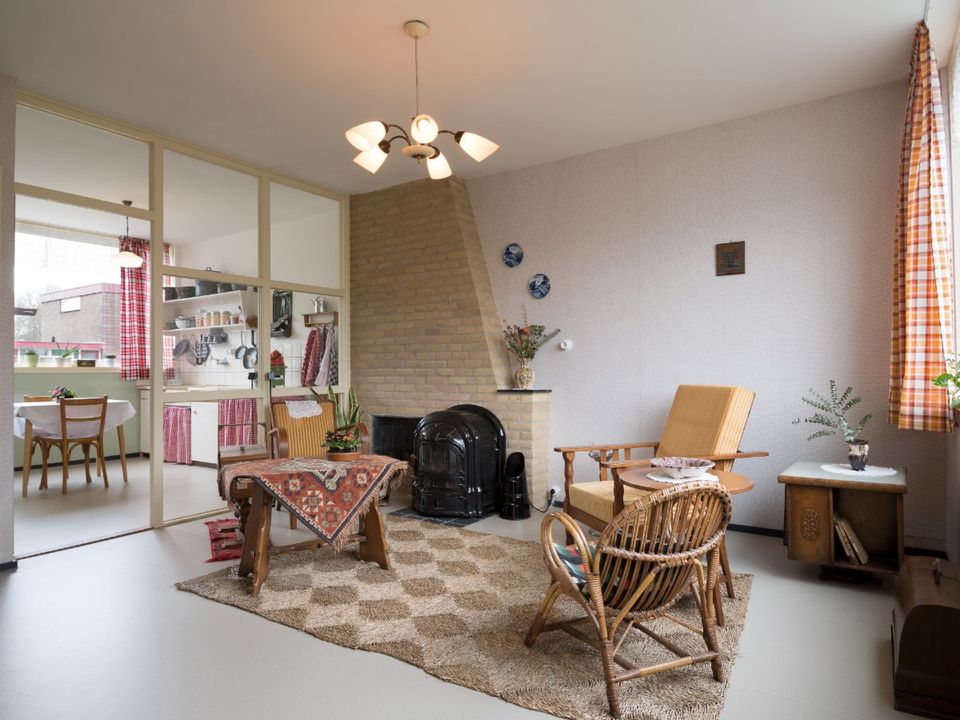
A special chapter in the history and layout of the Noordoostpolder der is formed by the large-scale hydraulic studies carried out here in the last century. Elsewhere in the Netherlands, limited space or conflicting interests made it difficult to conduct such large-scale experiments. Instead, the new land of the Noordoostpolder offered literally and figuratively all the space needed to experiment with water management and hydraulic engineering on a large scale.
The Waterloopbos near Marknesse therefore became the test site for dike designs and flood defence structures. Here, engineers and scientists could investigate in practice how different materials, heights, and structures behaved under controlled conditions. Innovative experiments like these formed the basis for improvements in water safety, not only in the Netherlands, but also in other deltas worldwide.
More about water research in the Waterloopbos
Besides innovative farms, polder villages and research sites, the Noordoostpolder offers room for even more architectural delights: you will find two landscape artworks. These are large-scale works of art where the whole environment is part of the artwork in question. And of course you need space for that, which could easily be created in the wide-open Noordoostpolder .
The most iconic landscape artwork is Deltawerk//, a 250-metre-long wave pool designed by engineers and later transformed by artists into a magical experience of light and dark with stunning views of the surrounding nature in between.
Deltawerk// is not only a visual spectacle, but also a tribute to the water works that made the polder possible. It combines industrial design with profound symbolism, with water representing both friend and foe.
The other life-size work of art in the Noordoostpolder is Pier+Horizon: a long pier stretching out into the Zwarte Meer, surrounded by the kraggen to which the nearby village of Kraggenburg owes its name. Right on this spot was a breakwater that connected the lightkeeper's house on Oud-Kraggenburg to Genemuiden on the mainland long before the reclamation. Pier+Horizon emphasises the grandeur of the Noordoostpolder and offers visitors a reflection on the relationship between man and nature.
More about landscape art in the Noordoostpolder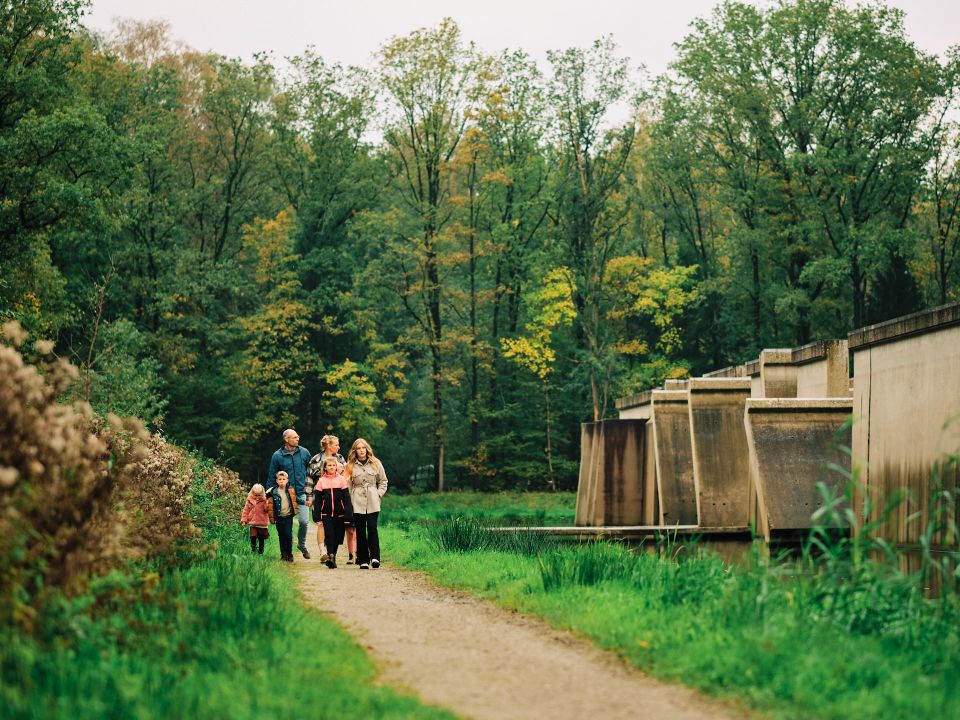
Whether architecture, science or landscape art, the Noordoostpolder is inseparable from innovation and creativity. From the modernist splendour of Nagele to the impressive landscape artworks and hydraulic test sites, the Noordoostpolder der offers a special mix of attractions that cannot be found anywhere else in the Netherlands. Come along and discover for yourself what human ingenuity and creativity can achieve. The Noordoostpolder der will surprise and inspire you.